
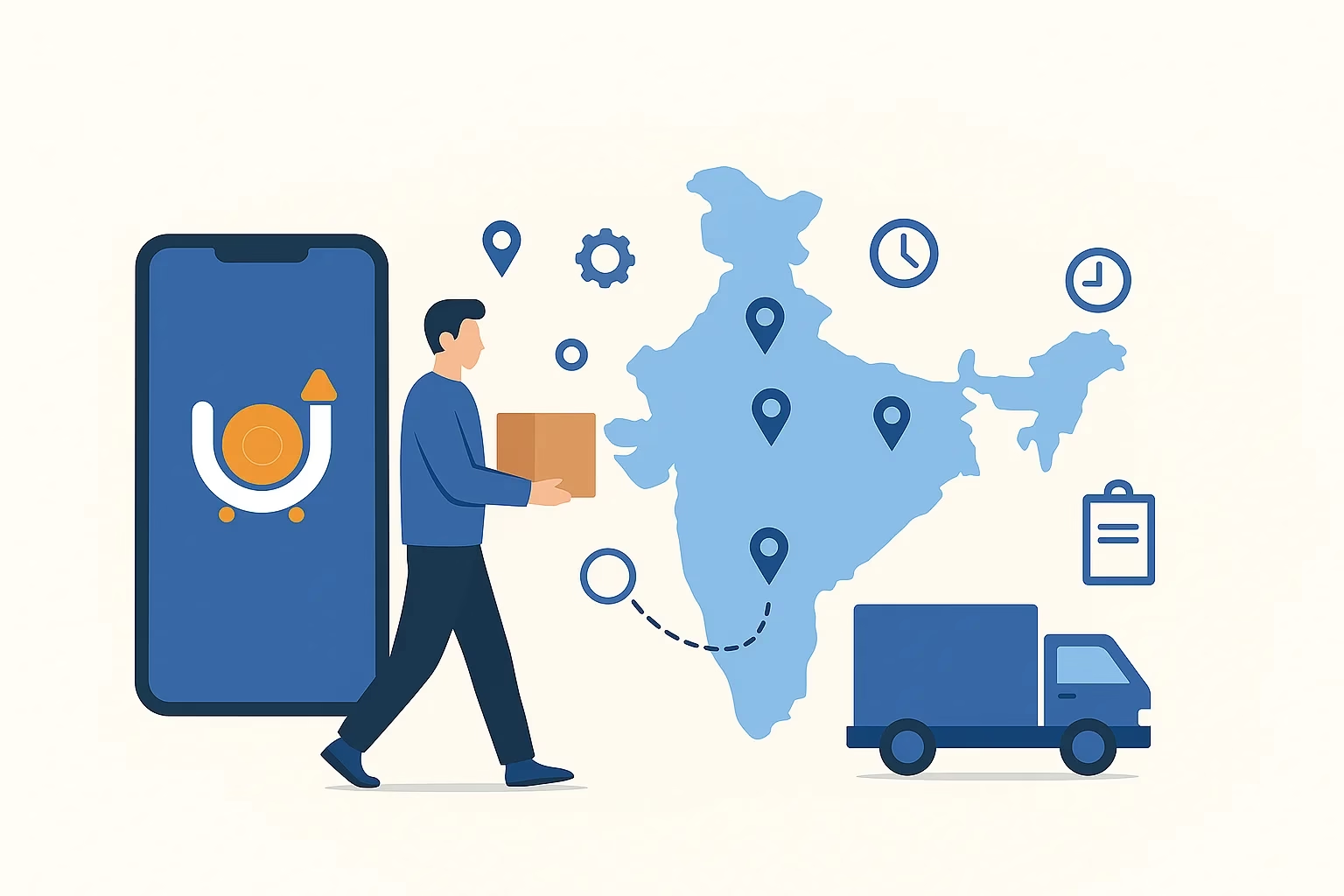
In India’s booming D2C sector, logistics is a make-or-break factor. A logistics or courier aggregator is essentially a digital platform that connects sellers to multiple courier and shipping partners through one interface. Instead of managing dozens of courier accounts, a brand plugs into an aggregator’s dashboard. This centralizes order booking, real-time rate comparison, tracking and returns management in one place. For example, aggregators partner with dozens of carriers to cover 20,000+ PIN codes across India, so even remote deliveries can be handled without juggling multiple contracts. In short, a logistics aggregator streamlines fulfillment end-to-end, saving time and reducing errors.
Why Indian D2C Brands Choose Shipping Aggregators
Indian D2C brands often face high costs, complex fulfillment and Return-to-Origin (RTO) losses. On average, up to 20–25% of e‑commerce orders in India end up returned or undelivered (especially COD orders). Each RTO means double shipping and blocked cash flow. Aggregators aim to curb these losses. By pooling volume, they negotiate better rates and faster COD payouts, and they often include built-in return pick-up and address/phone verification to slash RTOs.
Key benefits of using a shipping aggregator include:
- Wider Delivery Reach: Aggregators integrate 15–30+ courier networks, covering ~25k–29k PIN codes nationwide. This lets D2C sellers serve rural and metro areas alike without separate courier accounts.
- Seamless Integration: Most aggregators offer APIs and plugins for Shopify, WooCommerce, marketplaces and more. Orders sync automatically and labels print in bulk, cutting manual errors and dispatch time.
- Lower Shipping Costs: By aggregating volume, platforms secure bulk freight rates and faster COD remittances. Transparent billing (with COD/return fees included) helps brands calculate true landed cost.
- Automated RTO Handling: High return rates (20–30% on COD) are a pain point in India. Aggregators provide features like automated return pickups, multi-carrier NDR flows, and even AI-driven address validation to reduce failed deliveries.
In summary, shipping aggregators help D2C brands save money and time while improving delivery success. They offer cost savings, greater flexibility, automation and improved customer experience. For example, OrderzUp reports that D2C brands can cut return losses by up to 30% using AI-based address checks and fraud prevention.
Next-Gen Aggregator Features for 2025
Modern aggregator platforms now go beyond simple rate-comparison. Leading solutions offer advanced automation and analytics. Key features to look for include:
- AI-driven Address Verification: Validating PIN codes and phone numbers at checkout prevents failed deliveries. For instance, some platforms pre-validate addresses and flag risky orders automatically.
- Automated Carrier Selection: Smart courier-mapping ensures each order uses the best carrier for speed and cost. In practice, aggregators compare rates in real time and auto-select the top option on every shipment.
- Fraud Detection: Predictive algorithms screen for duplicate or fake orders, blocking them before dispatch.
- End-to-End Visibility: A unified dashboard tracks all shipments and returns across carriers. Many provide branded tracking pages and automated customer notifications.
- Analytics & Reports: Pin-point RTO trends by region or SKU, measure carrier performance, and monitor order volumes. Data-driven insights let brands tweak their strategy (e.g. disable COD in high-RTO zones).
By 2025, platforms that tie these tools together help D2C teams automate fulfillment at scale. For example, OrderzUp emphasizes one-click integrations (Shopify/WooCommerce), AI address-routing and built-in RTO control. When evaluating a solution, check if it covers the services you need (e.g. NDR/RTO handling, COD reconciliation, international shipping) and offers easy plug-ins or APIs for your store.
Leading Logistics Aggregators in India. Several platforms dominate the D2C shipping space. Shiprocket, Pickrr, NimbusPost, Shyplite, iThink Logistics and others connect online brands to 10–30+ courier partners each. For example, Shiprocket (a veteran aggregator founded 2012) supports 17+ carriers and ~27,000+ PIN codes, making it one of India’s largest networks. Pickrr is known for flat-rate pricing and ~26,500 PIN coverage, while Shyplite covers ~25,000 PIN codes with 16+ couriers and AI-based routing. (Newer entrants like OrderzUp focus on AI-enabled address-validation and fraud checks to cut RTOs.) Key examples:
- Shiprocket: Established all-in-one platform with automated shipping workflows, marketplace integrations and end-to-end tracking. Partners with couriers like FedEx, Delhivery and DTDC.
- Pickrr: Flat-rate e-commerce courier hub (20+ carriers). Covers ~26.5K PINs nationwide. Offers a “Pickrr Assist” concierge and automated returns/NDR flows.
- Shyplite: AI-powered shipping portal with 16+ couriers and 25K+ pin code reach. Fast onboarding and robust dashboard, popular for multi-marketplace brands.
- iThink Logistics: Emerging aggregator (2019) with ~26K+ PIN coverage. Focuses on automation: it has built-in NDR (non-delivery report) management and advanced RTO controls, and no minimum volume.
- Other Platforms: NimbusPost (~29K PINs, 27+ couriers), Vamaship, ShipDelight, ShipYaari, etc. Each has unique features (warehousing, tech focus or special SLAs).
Each aggregator varies in pricing, tech stack and coverage. As one industry roundup notes, Shiprocket and NimbusPost emphasize broad networks and integrations, while players like Pickrr, Shyplite and iThink highlight automation and rural reach.
How to Choose the Best Shipping Aggregator
There’s no one-size-fits-all. When picking a service, consider:
- Business Alignment: Does the aggregator suit your model? (e.g. small parcels vs. heavy/bulky, monthly volume tiers, COD policies.) Make sure they cover the PIN codes where your customers live.
- Features & Integrations: Verify required services – for example, automated RTO/NDR flows, COD reconciliation, warehouse sync or Amazon Self-Ship. Check that it plugs into your sales channels (Shopify, WooCommerce, Magento, etc.) and that the user interface fits your workflow.
- Pricing Transparency: Compare courier rates and platform fees (flat rate vs. per-shipment). Watch for hidden charges (pickup fees, fuel surcharges) that could erode savings. Even small differences in COD remittance terms (next-day vs. 10-day pay-out) can impact cash flow.
- Customer Support & SLAs: Assess service levels. Does the aggregator offer live chat or account managers for your queries? Check if they have performance guarantees or uptime commitments. Fast, responsive support can be crucial during festive or peak seasons.
- Track Record & Analytics: Look for customer testimonials or case studies. An aggregator that provides detailed delivery and RTO analytics (by PIN code or SKU) empowers you to fine-tune your operations. As one guide advises, pilot any new service on a subset of orders, compare KPIs side-by-side (cost/order, RTO rate, delivery time) before switching fully.
By weighing these factors – reach, tech features, cost and support – brands can identify the aggregator that fits their needs.
Cost & RTO Reduction Tips
Beyond choosing a partner, D2C brands can reduce logistics headaches with smart practices:
- Consolidate pickups: Group orders by geography or time to reduce courier call-out fees. Larger pickups often unlock better rates.
- Incentivize prepaid orders: Encourage online payment by offering a small shipping discount. Prepaid orders cancel far less often than COD (COD RTOs can run 25–40% in apparel/fashion), so even a 5-10% discount can boost realized revenue.
- Optimize packaging: Use the lightest box or polybag possible to shrink dimensional weight. Custom-fit packaging protects products and lowers volumetric charges.
- Offer tiered shipping: Provide express delivery for metro customers and economy options for remote pin codes. Being transparent about any extra fees for hard-to-reach areas sets realistic customer expectations.
In India’s highly competitive D2C landscape, reliable shipping is a strategic edge. Using a multi-courier aggregator lets brands focus on products and marketing, rather than logistics minutiae. The right platform – whether a legacy player or a next-gen AI-powered service – will extend your reach, cut waste and improve customer satisfaction. By following this guide, a D2C founder can “move beyond manual shipping” and pick an aggregator that scales with their growth.
Can you be more specific about the content of your article? After reading it, I still have some doubts. Hope you can help me.