
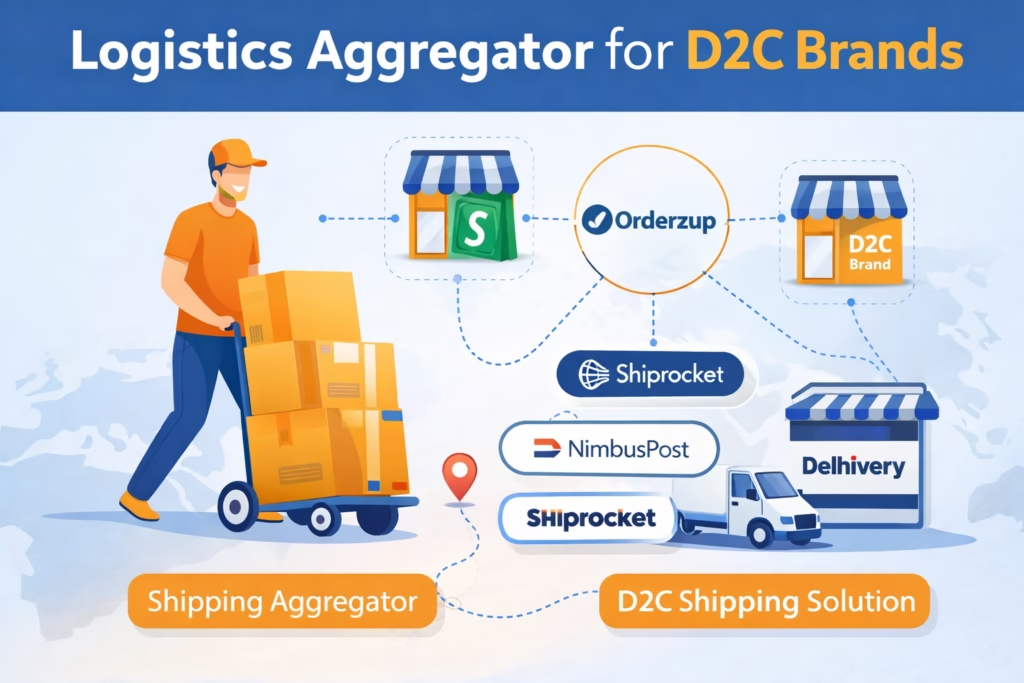
For D2C (direct-to-consumer) brands and Shopify sellers, a logistics (or shipping) aggregator is an online platform that ties your store to multiple courier partners through one interface. In essence, it “consolidates shipping and logistics solutions from multiple carriers into a single interface”. Rather than managing separate accounts with each courier, you can compare rates, book shipments, and track packages from one dashboard. This is especially helpful in India’s vast market – for example, leading logistics aggregators often cover ~25,000+ PIN codes by linking 15–30+ courier networks. By using an aggregator, a D2C seller gains nationwide reach without juggling dozens of courier accounts.
Why D2C Brands Need a Shipping Aggregator
D2C brands face complex shipping challenges that aggregators are designed to solve. In India, up to 20–25% of e-commerce orders are returned or undelivered (especially on COD orders). Each Return-to-Origin (RTO) means extra cost, so tools to reduce RTO are vital. Logistics aggregators address this with features like automated returns handling and address verification. For example, OrderzUp’s AI-driven address validation claims to cut return losses by ~30%. Other benefits of aggregators include:
- Wider Delivery Reach: Aggregators link many courier networks (often 15–30+), covering ~25,000–29,000 PIN codes nationwide. This lets D2C brands service remote Tier-2/3 areas without separate contracts for each region.
- Unified Order Management: Most aggregators offer plugins or APIs for Shopify, WooCommerce, Magento, Amazon, etc. Orders sync automatically, labels are printed in bulk, and tracking is handled centrally – eliminating manual entry.
- Lower Shipping Costs: By pooling seller volumes, aggregators negotiate bulk freight rates. Faster COD settlements and all-inclusive billing (including returns) further reduce your landed cost.
- Reduced RTO Losses: Aggregators provide automated NDR (non-delivery report) workflows, automated return pickups, and fraud checks at checkout. These tools significantly cut failed deliveries and returns.
- Better Customer Experience: A unified dashboard and branded tracking pages mean real-time updates for your customers. Aggregators enable live tracking links and proactive alerts (SMS/WhatsApp/email), boosting satisfaction.
Overall, a good shipping aggregator streamlines fulfillment end-to-end. As one industry guide notes, 80%+ of e-commerce businesses use aggregators to simplify logistics.
Leading Shipping Aggregators in India
There are several major logistics/shipping aggregators serving Indian D2C brands. Each has its strengths:
- OrderzUp: A newer Indian platform focused on D2C and Shopify brands. It connects to multiple couriers like other aggregators but emphasizes AI features. For example, OrderzUp uses real-time address and fraud checks at order time (claiming ~30% fewer return shipments). It offers standard features (rate comparison, tracking, returns) along with advanced RTO-reduction tools. OrderzUp has a modern interface and strong Shopify/WooCommerce integration for easy syncing of orders.
- Shiprocket: One of India’s largest shipping platforms (founded 2012). It links 15–20+ couriers and covers ~27,000+ PIN codes. Shiprocket offers automated multi-carrier workflows, real-time tracking, COD reconciliation, and even warehousing/fulfillment services. Its scale means fast same-day options and integrations with all major e-commerce platforms.
- Pickrr: A 2015 startup known for flat-rate pricing. It integrates ~20 couriers and services ~26,500 PIN codes. Pickrr’s key features are smart courier selection (auto-routing based on service), automated returns management, and “Pickrr Assist” concierge support for brands. Its fixed pricing appeals to predictable budgeting.
- NimbusPost: Also founded in 2015, NimbusPost focuses on automation and coverage (~29,000 PINs, 27+ couriers). It auto-selects the best courier per shipment and even offers same-day/next-day delivery in metro areas. NimbusPost is geared toward high-volume D2C sellers needing end-to-end order orchestration.
- Shyplite: An AI-powered portal (launched 2014) linking 16+ couriers (covering ~25,000 PIN codes). Shyplite is popular for its clean dashboard and supports both domestic and international shipping. It provides intelligent courier allocation and an easy onboarding process for multi-marketplace brands.
- iThink Logistics: A 2019 startup covering ~26,000 PINs. It combines standard aggregation with consultative support. Key features include advanced RTO control and dedicated account management. iThink is ideal for brands needing personalized service and flexible billing.
- Other Options: Platforms like Vamaship (enterprise focus, both courier and freight), Shipyaa, and Dunzo for Business (hyperlocal deliveries) also serve specific niches.
Each platform differs in pricing, coverage, and tech focus. For example, Shiprocket and NimbusPost emphasize broad networks and full-stack services, while others like Pickrr and Shyplite highlight automation and rural reach. The best choice depends on your brand’s shipment volume, geo-targets, and tech needs.
How to Choose the Best Aggregator for Your Shopify/D2C Store
When evaluating logistics aggregators, consider these factors:
- Coverage & Reliability: Check how many PIN codes and couriers they support. Ensure your primary markets are covered, especially if you target rural areas.
- Pricing Model: Aggregators may charge per shipment, subscription, or percentage of shipment value. Compare rates and fees (including return handling fees) across providers.
- Integration & Automation: Look for seamless integration with Shopify (and other platforms you use). APIs and plugins should sync orders and inventory automatically.
- RTO & Returns Features: If COD returns or failed deliveries are a concern, prioritize platforms with strong RTO-management tools (automated returns, address verification, re-attempt logistics).
- Customer Support: Dedicated support and easy contact with your aggregator partner can save time. Some aggregators offer account managers or expedited help for higher-tier plans.
- Tech & Analytics: Modern aggregators provide dashboards, analytics, and AI features (e.g. predicted delivery times, analytics). These help you optimize logistics over time.
By comparing these aspects (price, coverage, features), you can find the best shipping aggregator in India for your D2C brand. Many Shopify merchants start with free trials to test dashboard usability and support before committing.
FAQ
Why should a D2C/Shopify brand use a shipping aggregator?
Using an aggregator saves time and cost. It expands your delivery reach (many aggregators cover 25,000+ PIN codes) and negotiates bulk rates to reduce shipping fees. Aggregators also streamline returns: they automate RTO handling and address verification, reducing costly failed deliveries.
Who are the best shipping and courier aggregators in India?
India’s leading platforms include Shiprocket, Pickrr, NimbusPost, Shyplite, and newer entrants like OrderzUp. Each excels in different areas (e.g. flat-rate pricing vs. AI-driven routing). Shiprocket and NimbusPost are known for their broad networks and full services, while Pickrr offers simple pricing. OrderzUp is emerging with a focus on D2C shipping needs (integrating AI to cut RTO). Evaluate them based on your specific needs (coverage, rates, features) to find the best fit.
Do shipping aggregators integrate with Shopify and other e-commerce platforms?
Yes. Most aggregators offer plugins or APIs for platforms like Shopify, WooCommerce, Magento, and Amazon. This means orders from your store sync automatically: the aggregator books shipments and prints labels without manual data entry. Always verify that your chosen aggregator has a ready integration for Shopify (the top ones do).
How do I reduce shipping returns (RTO) using an aggregator?
Choose an aggregator with strong RTO-management tools. Features to look for include automated NDR (non-delivery report) processes, auto-return pickups, and address/phone verification at checkout. For example, many aggregators now use AI-driven address checks to prevent wrong or incomplete addresses. By reducing failed deliveries, they help D2C brands save on double-shipping costs.